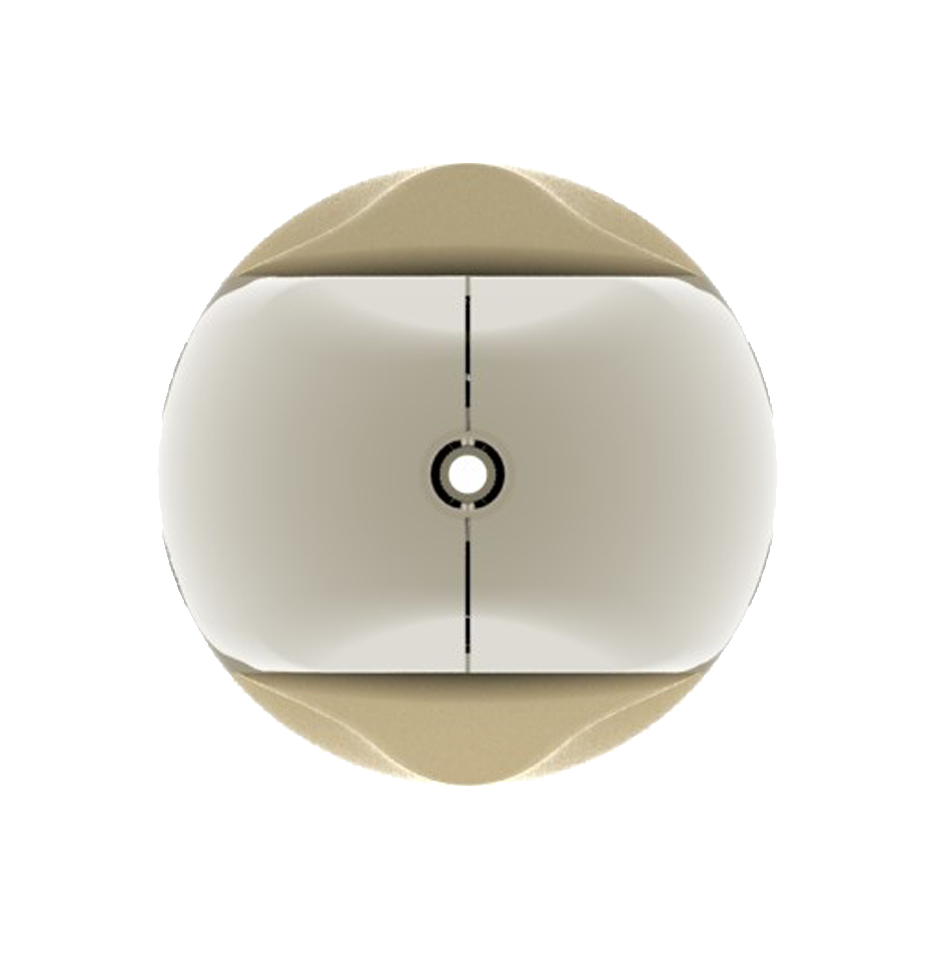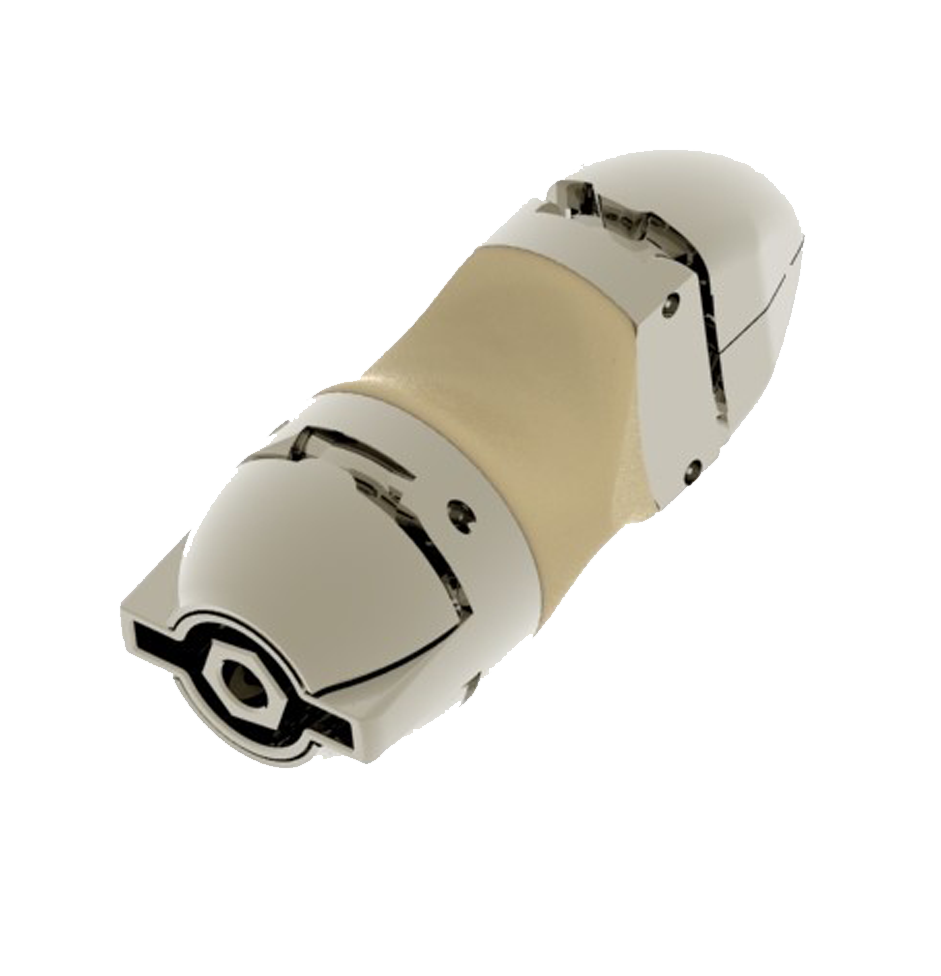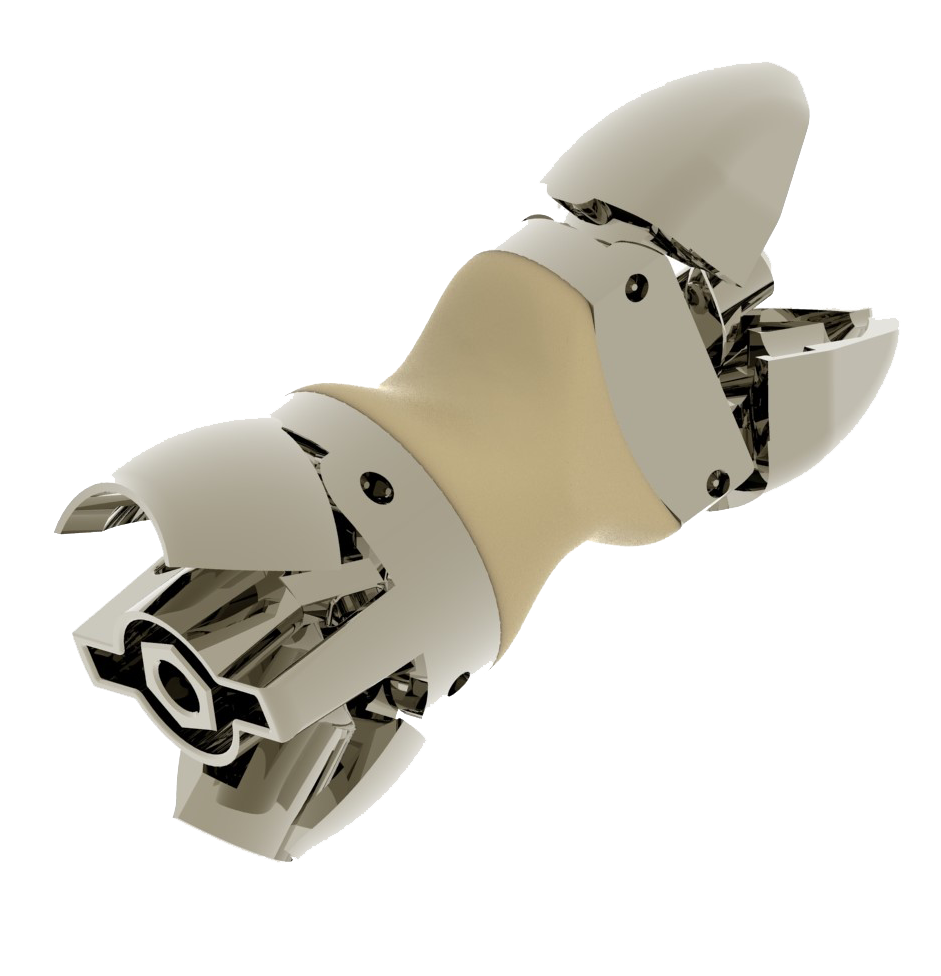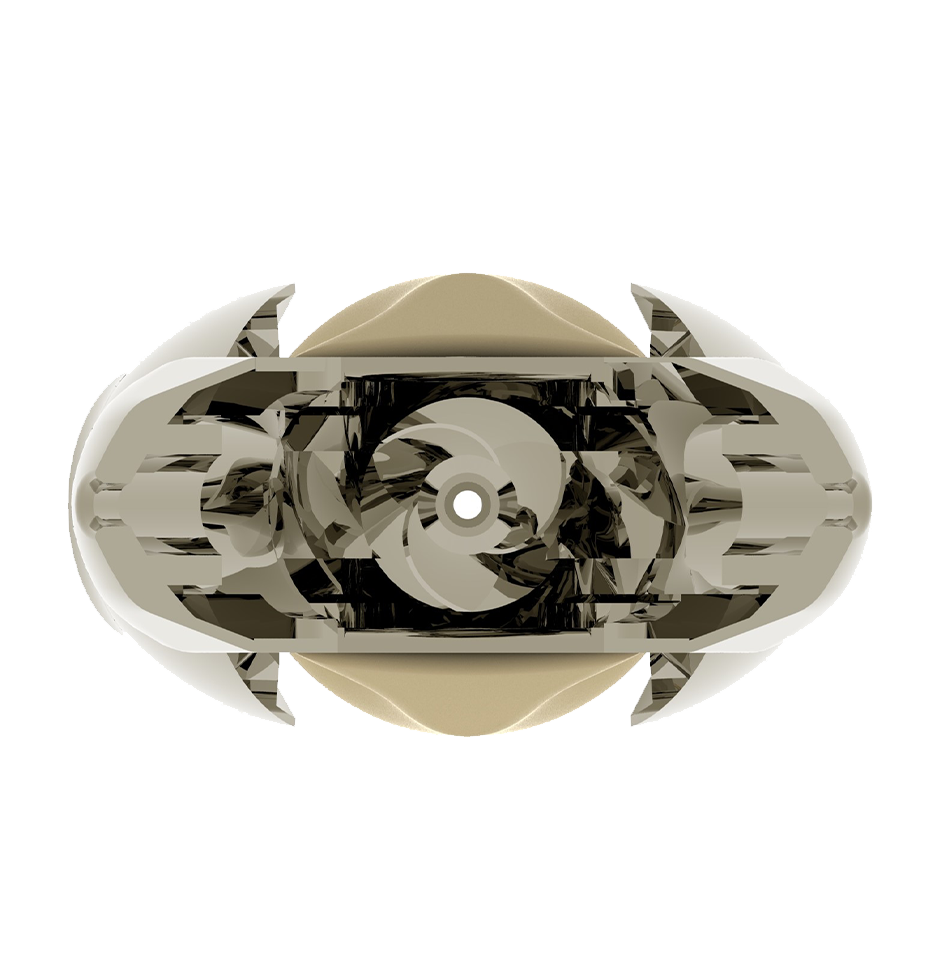

Lobster
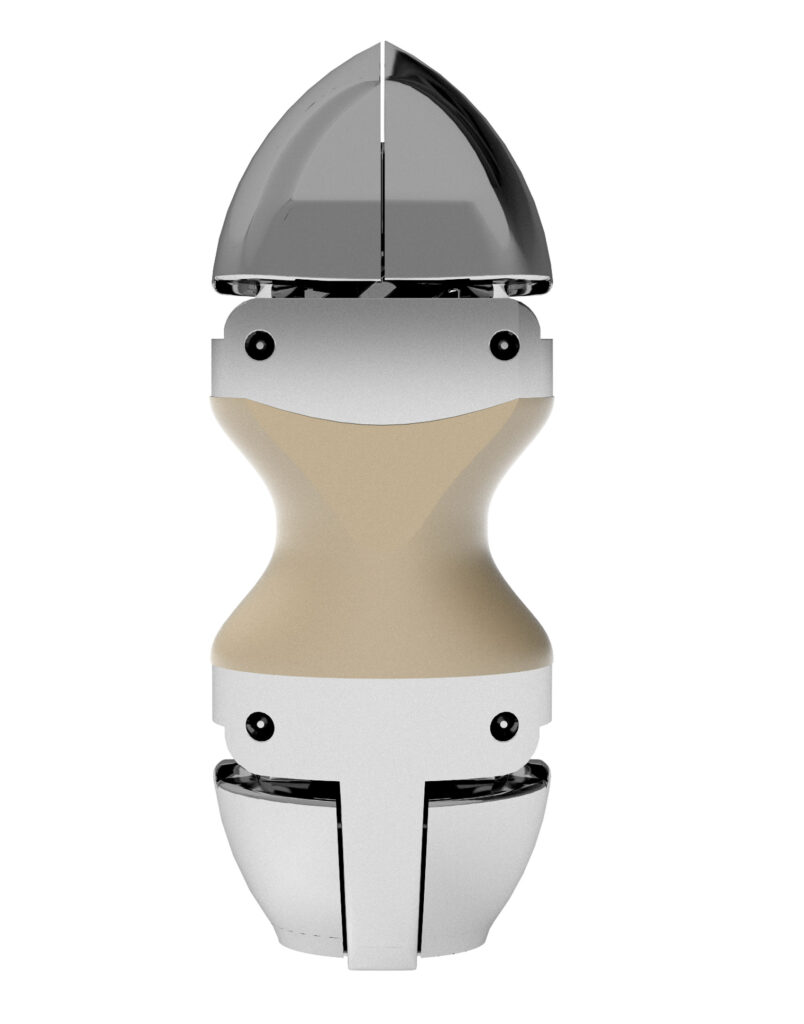
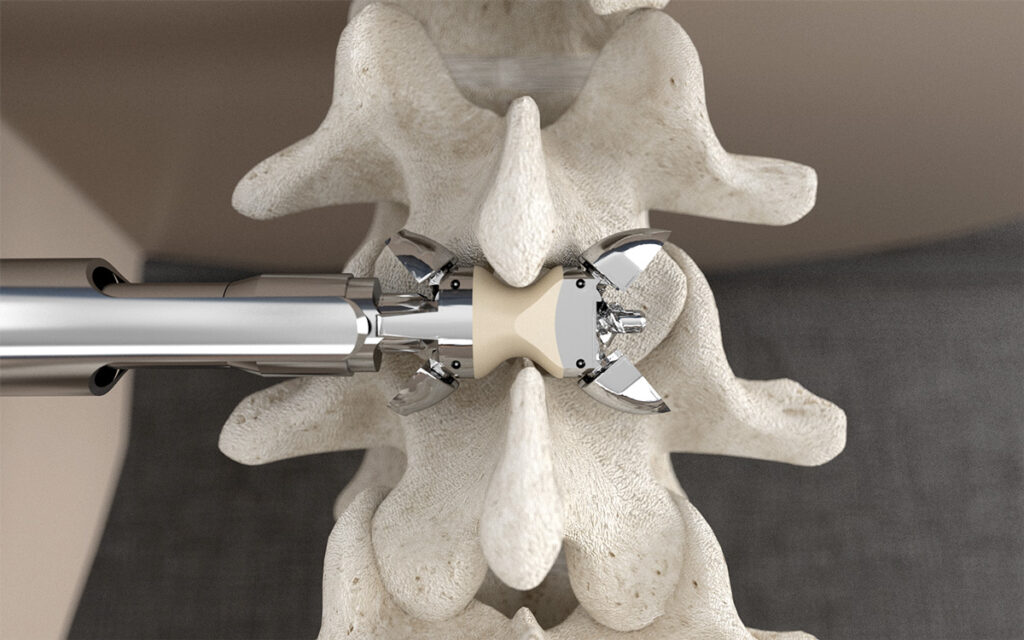
A system designed for percutaneous implantation via a lateral approach, allowing unloading of posterior spinal structures and treatment of degenerative changes while preserving the supraspinous ligament.
Key applications
- treatment of lumbar degenerative changes by increasing the interspinous space and reducing pathological loading of the motion segment.

Minimally invasive procedure
- percutaneous lateral approach,
- reduced soft-tissue trauma.

Preservation of the supraspinous ligament
- implantation without disrupting important stabilizing structures,
- preservation of natural spinal anatomy.

Interspinous distraction
- offloading the posterior spinal elements
- increased interspinous space,
- improved biomechanics of the motion segment.

Multilevel treatment option
- implant design enables implantation at multiple levels.

Stable implant fixation and revision option
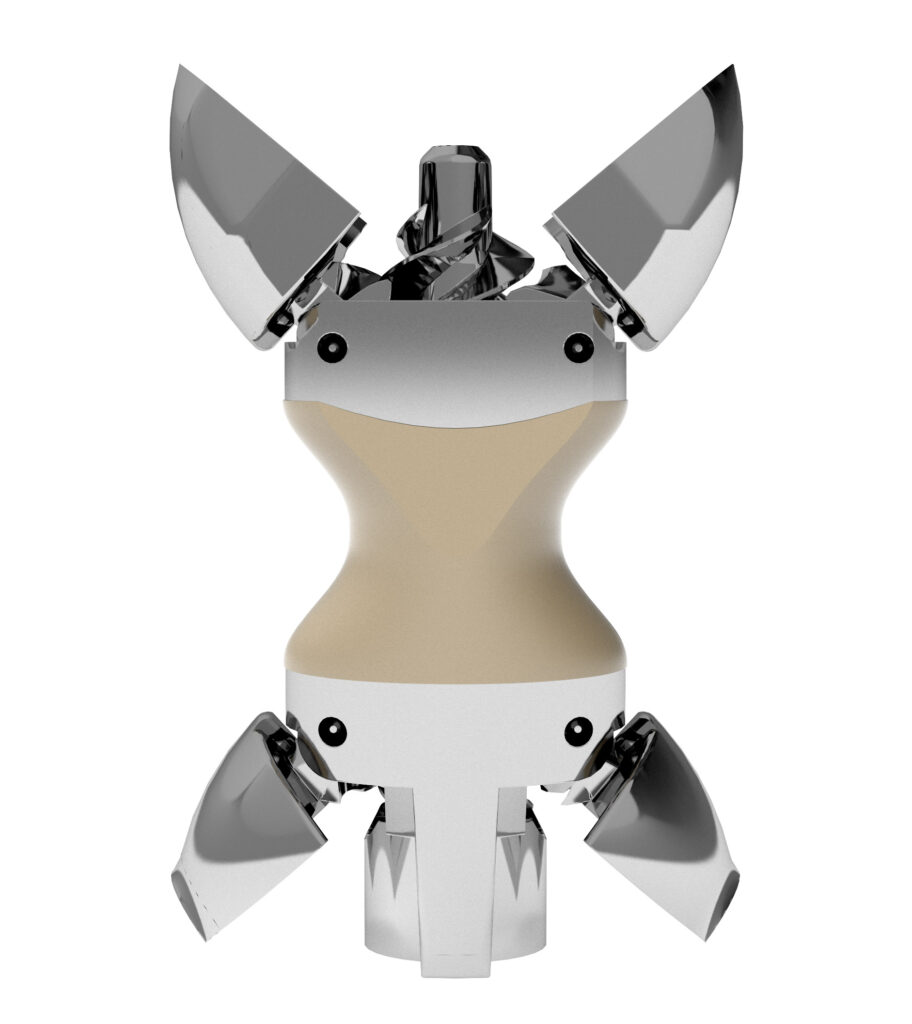
- movable wings provide secure anchoring in the interspinous space,
- implant holder enables a quick and easy revision procedure.

Facilitated implantation
- implant can be rotated during insertion,
- design facilitates precise implant placement.

Titanium alloy implant
- high strength and biocompatibility.
Indications
- lumbar degenerative disease,
- mild to moderate spinal canal stenosis,
- neurogenic claudication,
- chronic spinal pain associated with degenerative changes,
- symptoms relieved by forward spinal flexion,
- single-level and multilevel treatment.
Contraindications
- severe segmental instability,
- high-grade spondylolisthesis,
- significant spinal deformities,
- spinous process fractures,
- severe osteoporosis,
- active infections,
- other contraindications specified by the manufacturer.